Transmission Slipping? Complete Diagnosis and Solutions Guide
October 26, 2025
When your vehicle's transmission starts slipping, it's not just an inconvenience—it's a critical warning sign that demands immediate attention. Transmission slipping occurs when your engine revs but your vehicle doesn't accelerate properly, or when you experience unexpected shifts between gears. Understanding the causes, recognizing the symptoms early, and knowing your repair options can save you thousands of dollars and prevent complete transmission failure.
Understanding Transmission Slipping: What's Really HappeningTransmission slipping manifests when your vehicle's transmission fails to maintain proper engagement between gears. In automatic transmissions, this typically means the transmission cannot hold the selected gear under load, causing the engine RPMs to climb without corresponding increases in vehicle speed. Manual transmissions can also experience slipping, usually due to clutch problems rather than internal transmission issues.
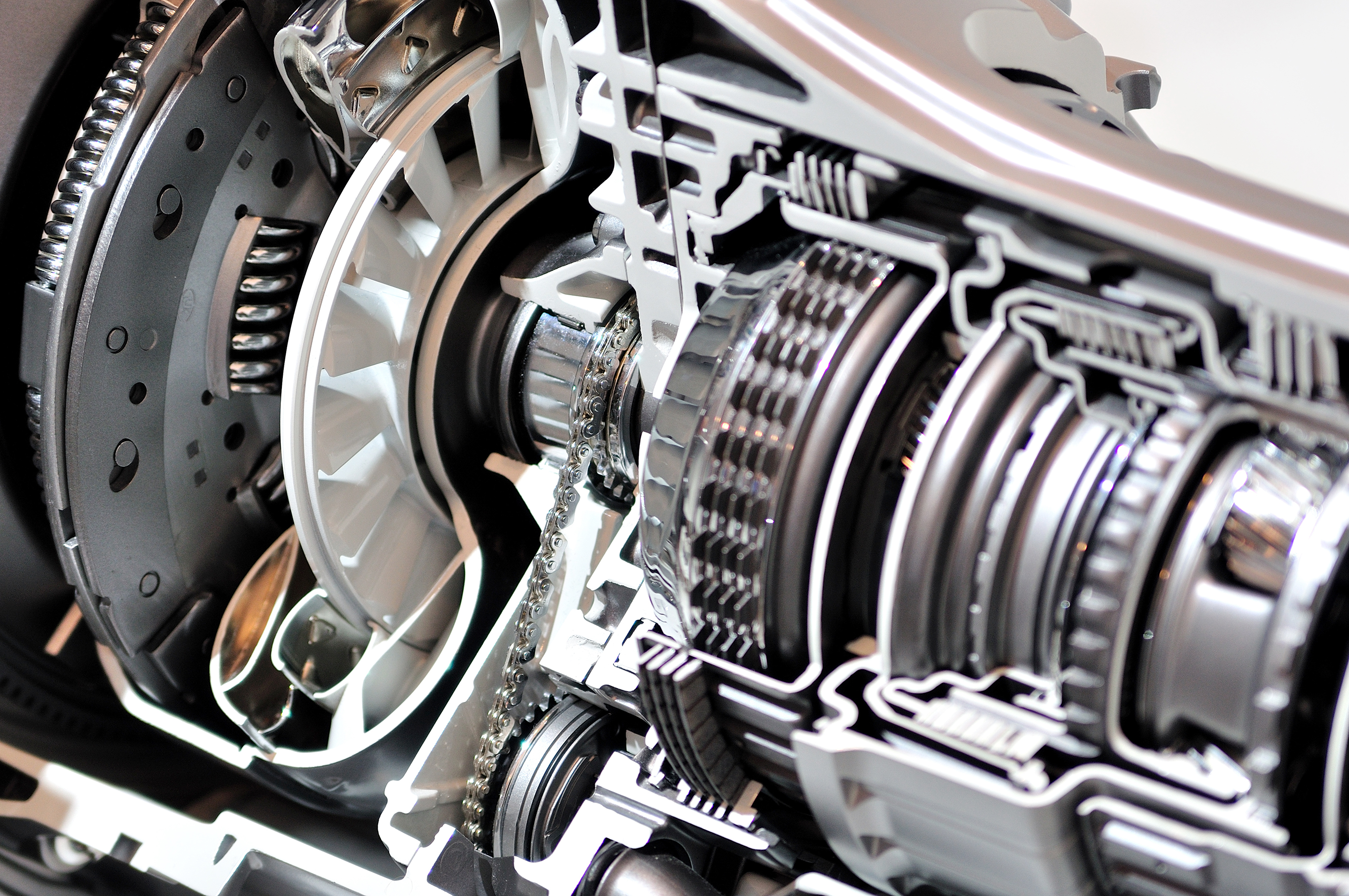
The mechanics behind slipping involve hydraulic pressure failures, worn friction materials, or electronic control problems. Your transmission relies on precise hydraulic pressure to engage clutch packs and bands that physically connect different gear sets. When these components wear down or hydraulic pressure drops, the transmission loses its ability to firmly engage gears, resulting in the slipping sensation you feel while driving.
Recognizing the Warning Signs of Transmission SlippingEarly detection of transmission slipping can mean the difference between a minor repair and a complete transmission replacement. Understanding these symptoms helps you catch problems before they escalate.
Delayed engagement represents one of the earliest warning signs. When you shift from park to drive or reverse, you might notice a delay of two to three seconds before the transmission engages. This delay indicates that hydraulic pressure isn't building quickly enough to engage the appropriate clutch packs.
RPM fluctuations without acceleration are perhaps the most obvious sign of transmission slipping. Your engine revs higher than normal, particularly during acceleration, but your vehicle doesn't speed up proportionally. You might see your tachometer climb to 4,000 or 5,000 RPM while your speedometer barely moves, especially when accelerating from a stop or climbing hills.
Unusual shifting behavior includes harsh shifts, erratic shifting patterns, or the transmission hunting between gears. Your transmission might shift up and down repeatedly when cruising at steady speeds, or it might downshift unexpectedly when you're maintaining constant throttle input.
Burning smell from the transmission indicates overheating transmission fluid, often caused by excessive friction from slipping clutches. This distinct burnt odor resembles burnt toast and signals that your transmission fluid has degraded due to excessive heat generated by slipping components.
Check engine light illumination frequently accompanies transmission problems. Modern vehicles with electronic transmission controls monitor various sensors and will trigger the check engine light when they detect abnormal transmission behavior, storing diagnostic trouble codes that help identify specific issues.
Strange noises during gear changes such as whining, clunking, or grinding sounds often indicate internal transmission damage. These noises suggest that gears aren't meshing properly or that internal components have excessive wear.
Common Causes of Transmission SlippingUnderstanding why transmissions slip helps you prevent future problems and makes more informed repair decisions. Multiple factors can contribute to transmission slipping, often working in combination to create progressively worse symptoms.
Low transmission fluid levels rank as the most common cause of slipping. Transmission fluid serves multiple critical functions including hydraulic operation, lubrication, and cooling. When fluid levels drop below minimum requirements, the hydraulic pump cannot generate sufficient pressure to engage clutches and bands properly. Fluid leaks from pan gaskets, cooler lines, seals, or the torque converter commonly cause low fluid levels.
Degraded transmission fluid loses its ability to function effectively even when fluid levels are adequate. Transmission fluid breaks down over time due to heat, friction, and contamination. Degraded fluid appears dark brown or black instead of bright red, may smell burnt, and contains metal particles or debris. This degraded fluid cannot maintain proper hydraulic pressure or adequately lubricate moving parts, leading to slipping and accelerated wear.
Worn clutch plates and bands represent the physical components that engage different gears in your transmission. These friction materials wear down gradually through normal use, but factors like aggressive driving, towing, or inadequate maintenance accelerate this wear. Once clutch plates wear beyond certain thresholds, they cannot maintain sufficient friction to hold gears under load, resulting in slipping.
Faulty solenoids control hydraulic fluid flow throughout your transmission. These electronically controlled valves direct pressurized fluid to engage specific gear sets. When solenoids fail due to electrical problems, contamination, or mechanical wear, they cannot properly direct hydraulic pressure, causing delayed shifts, harsh shifts, or complete slipping.
Torque converter problems can mimic or cause transmission slipping. The torque converter connects your engine to your transmission using hydraulic fluid. Internal torque converter failures, particularly with the lockup clutch, create symptoms identical to transmission slipping. A failing torque converter might slip at highway speeds when it should be locked up, causing high RPMs without corresponding speed increases.
Worn transmission bands in transmissions using band-style gear engagement experience gradual wear and stretching. These bands wrap around drum components to engage specific gears. As bands wear and stretch, they lose their ability to tightly grip drums, resulting in slipping, particularly in specific gears or during certain operating conditions.
Valve body issues affect hydraulic fluid distribution throughout your transmission. The valve body contains numerous passages, check balls, and springs that direct fluid flow. Worn passages, stuck valves, or damaged components within the valve body disrupt proper fluid distribution, leading to inconsistent hydraulic pressure and transmission slipping.
Computer and sensor failures in modern electronically controlled transmissions can cause slipping symptoms even when mechanical components remain healthy. Faulty input speed sensors, output speed sensors, or transmission control modules may incorrectly calculate shift points or fail to properly engage clutches, resulting in apparent slipping.
DIY Diagnosis: Checking Your Transmission at HomeBefore heading to a repair shop, several diagnostic steps can help you understand your transmission problem's severity and nature. These checks require minimal tools and mechanical knowledge but provide valuable information.
Check transmission fluid level and condition by parking on level ground with the engine running and transmission in park. Locate the transmission dipstick, usually marked with a red or yellow handle, and pull it out. Wipe it clean, reinsert fully, then remove it again to check the fluid level. The fluid should fall between the "full" and "add" marks. Examine the fluid's color and smell—healthy transmission fluid appears bright red or pink and has minimal odor. Dark brown or black fluid with a burnt smell indicates severe degradation requiring immediate attention.
Test drive evaluation helps pinpoint when and how slipping occurs. Drive your vehicle through various conditions while paying attention to specific behaviors. Note whether slipping happens during initial acceleration, at certain speeds, when climbing hills, or only after the transmission warms up. Document which gears seem affected and whether symptoms improve or worsen with temperature changes. This information proves invaluable for mechanics diagnosing your problem.
Scan for diagnostic trouble codes using an OBD-II scanner available at most auto parts stores, often for free. These codes provide specific information about transmission control system problems. Common transmission-related codes include P0700 indicating general transmission control system malfunction, P0715 through P0720 for speed sensor issues, and P0730 through P0738 for gear ratio errors. While codes don't definitively diagnose mechanical problems, they guide troubleshooting efforts.
Visual inspection for leaks involves checking under your vehicle for red or brown fluid puddles. Examine the transmission pan, cooler lines, front and rear seals, and the area around the torque converter. Even small leaks eventually lead to low fluid levels and slipping. Identifying leak sources helps estimate repair costs and urgency.
Check transmission fluid temperature if your vehicle has a transmission temperature gauge or you have access to live data through a scanner. Transmission slipping generates excessive heat, and operating temperatures above 220-240°F indicate serious problems. Sustained temperatures above 240°F rapidly destroy transmission components and fluid.
Professional Diagnosis: What Mechanics CheckProfessional transmission diagnosis involves specialized equipment and expertise beyond DIY capabilities. Understanding what mechanics examine helps you evaluate their thoroughness and recommendations.
Comprehensive scanner diagnostics go beyond reading basic trouble codes. Professional-grade scanners access live transmission data including solenoid commands, pressure readings, clutch slip calculations, and shift adaptation values. Mechanics analyze this data to identify specific solenoid failures, pressure control problems, or learning adaptation issues that cause slipping.
Pressure testing directly measures hydraulic pressure at various test ports throughout the transmission. Mechanics connect pressure gauges to these ports and observe readings during operation. Low pressure indicates pump wear, internal leaks, or stuck valves, while incorrect pressure modulation points to solenoid or computer problems.
Stall speed testing measures torque converter performance and overall transmission condition. This test involves securing the vehicle, bringing the engine to full throttle with the transmission in gear, and measuring RPM. Stall speed significantly above specification indicates transmission slipping, while speeds below specification suggest torque converter problems or engine issues.
Road testing with professional equipment allows mechanics to monitor transmission behavior in real-world conditions while observing live data. They'll note shift points, shift quality, slip percentages, and temperature changes during various driving scenarios. This comprehensive evaluation reveals problems that might not appear during static testing.
Visual internal inspection becomes necessary when external tests prove inconclusive. Some shops perform a "transmission pan drop" where they remove the pan to inspect fluid condition, check for metal debris, and examine the filter. Excessive metal particles indicate significant internal wear requiring rebuild or replacement.
Immediate Solutions for Transmission SlippingWhen you first notice transmission slipping, several immediate actions can prevent further damage and potentially resolve minor issues before they require expensive repairs.
Check and fill transmission fluid immediately if levels are low. Use only the transmission fluid type specified in your owner's manual—using incorrect fluid can cause immediate problems. Add fluid gradually, checking levels frequently to avoid overfilling. If you need to add more than one quart, investigate leak sources immediately.
Change transmission fluid and filter if fluid appears dark or smells burnt but levels are adequate. Fresh fluid with proper additives can sometimes restore hydraulic function and reduce minor slipping, particularly if the vehicle has exceeded its fluid change interval. However, understand that changing fluid in severely damaged transmissions can sometimes worsen problems by dislodging debris that was partially blocking internal leaks.
Stop driving immediately if slipping is severe to prevent catastrophic transmission failure. Continued operation with severe slipping generates excessive heat that rapidly destroys internal components, transforming a potentially repairable transmission into one requiring complete replacement. Arrange for towing rather than driving to a repair facility if slipping is pronounced.
Reduce load and driving demands if slipping is intermittent or minor and you must continue driving. Avoid highway speeds, steep hills, and heavy loads. Gentle acceleration and allowing the transmission to warm up fully before driving can minimize slipping and prevent additional damage until repairs can be completed.
Add transmission treatment additives designed to condition seals and clean deposits can provide temporary relief for minor slipping caused by seal shrinkage or varnish buildup. However, approach additives cautiously—they're not miracle cures and cannot repair mechanical damage. Quality additives from reputable brands might help minor issues, but avoid products making unrealistic claims.
Long-Term Solutions and Repair OptionsDepending on your transmission's condition and slipping severity, several repair approaches offer varying levels of thoroughness and longevity.
Transmission fluid flush and replacement works for transmissions experiencing minor slipping due primarily to degraded fluid. This service costs $150-300 and involves replacing all transmission fluid, usually 12-16 quarts, along with the filter. Fluid service can restore proper operation if internal components remain in good condition and slipping results mainly from inadequate lubrication or hydraulic function.
Solenoid replacement addresses slipping caused specifically by faulty shift solenoids or pressure control solenoids. Individual solenoid replacement typically costs $200-500 including parts and labor. Many modern transmissions allow solenoid replacement without removing the transmission from the vehicle, making this repair relatively affordable. However, solenoid replacement only fixes problems if the solenoids themselves are the sole cause of slipping.
Transmission band adjustment can resolve slipping in specific gears for transmissions using adjustable bands. This relatively simple procedure costs $100-200 and involves adjusting band tension to factory specifications. Band adjustment provides temporary relief but typically indicates that internal wear has progressed to where rebuild or replacement will soon become necessary.
Valve body replacement or rebuild corrects slipping caused by valve body wear or damage. Valve body service costs $400-1,200 depending on whether it's rebuilt or replaced. This repair can restore proper hydraulic function when internal transmission components remain serviceable but hydraulic control has degraded.
Transmission rebuild involves removing the transmission, completely disassembling it, replacing all worn components, and reassembling to factory specifications. Rebuild costs typically range from $2,500-4,500 for most vehicles. Quality rebuilds include new clutch packs, bands, seals, gaskets, and often hard parts like bushings and thrust washers. Rebuilt transmissions should provide reliability comparable to new transmissions when performed by skilled technicians using quality parts.
Remanufactured transmission installation offers an alternative to rebuilding your existing transmission. Remanufactured transmissions are professionally rebuilt units produced to standardized specifications, typically including warranties of 2-3 years. Installation costs range from $3,000-5,500 including parts and labor. Remanufactured transmissions often provide the best balance of reliability and value for high-mileage vehicles.
New transmission replacement involves installing a factory-new transmission from the vehicle manufacturer. This option costs $4,000-8,000 or more but provides maximum reliability and typically includes comprehensive warranties of 3 years or 36,000 miles. New transmission replacement makes most sense for newer vehicles with high resale value or when you plan to keep the vehicle long-term.
Transmission swap from salvage yard represents the most affordable replacement option, costing $1,500-3,000 including installation. However, used transmissions carry significant risk since their history and remaining life are unknown. This option works best for older vehicles with limited value where minimizing repair costs is the priority.
Preventing Future Transmission SlippingPreventing transmission problems proves far less expensive than repairing them. Implementing proper maintenance and driving habits dramatically extends transmission life and prevents slipping.
Follow manufacturer fluid change intervals religiously. While some manufacturers claim "lifetime" transmission fluid, most transmission specialists recommend fluid changes every 30,000-60,000 miles depending on driving conditions. Severe service conditions including towing, frequent stop-and-go traffic, or extreme temperatures warrant more frequent service intervals of 30,000 miles.
Address fluid leaks immediately before they lead to low fluid levels and slipping. Small leaks that initially seem insignificant can cause major problems if ignored. Repairing leaks when first noticed costs far less than addressing the transmission damage that results from operating with low fluid.
Avoid aggressive driving habits that stress transmission components. Rapid acceleration, racing from stoplights, and constantly pushing your vehicle to its performance limits accelerate clutch and band wear. Smooth, progressive acceleration and deceleration extends transmission component life significantly.
Properly warm up your transmission before demanding full performance. Cold transmission fluid has higher viscosity and doesn't flow as efficiently through hydraulic passages. Allow your vehicle to run for 30-60 seconds before driving, and drive gently for the first few miles until the transmission reaches operating temperature.
Service transmission coolers to maintain proper transmission temperature. External transmission coolers supplement or replace factory cooling, helping keep fluid temperatures in optimal ranges. Ensure coolers remain clean and coolant lines are secure. Consider installing an auxiliary transmission cooler if you frequently tow or drive in hot climates.
Monitor transmission temperature if your vehicle has this capability. Understanding normal operating temperatures for your vehicle helps you recognize when temperatures climb excessively. Temperatures consistently exceeding 220°F indicate problems requiring attention, whether cooling system issues or internal transmission problems.
Use proper towing techniques to minimize transmission stress. When towing, use appropriate gear selections to prevent excessive heat buildup. Many vehicles have tow/haul modes that alter shift patterns to reduce clutch slippage. Install transmission coolers before beginning regular towing, and never exceed your vehicle's rated towing capacity.
Address check engine lights promptly rather than ignoring them. Transmission-related codes often indicate problems before symptoms become obvious. Early intervention based on diagnostic codes can prevent minor issues from progressing to major failures.
Cost Analysis: Repair vs Replace VehicleWhen facing major transmission repairs, deciding whether to fix your current vehicle or replace it entirely requires careful financial analysis.
Vehicle value consideration forms the foundation of this decision. As a general rule, avoid spending more on repairs than your vehicle's current market value. If your vehicle is worth $5,000, spending $4,000 on transmission replacement rarely makes financial sense unless you have strong non-financial reasons for keeping the vehicle.
Overall vehicle condition beyond the transmission matters significantly. A transmission problem on an otherwise reliable, well-maintained vehicle justifies repair investment. However, if your vehicle has multiple issues—engine problems, suspension wear, rust damage, or failing electrical systems—additional repairs will likely follow your transmission repair, making replacement more sensible.
Expected remaining vehicle life influences repair decisions. A newer vehicle with low mileage that experiences premature transmission failure makes a strong candidate for repair since you can expect many additional years of service. Older, high-mileage vehicles near the end of their typical lifespan warrant more cautious repair investment.
Cost of replacement vehicles in current market conditions affects your decision. When used vehicle prices are elevated, as they have been recently, repairing your current vehicle becomes more attractive even when repair costs are high. Compare your total outlay for repairs against what you'd spend for a comparable replacement vehicle.
Financing considerations matter if you'd need to finance a replacement vehicle. Monthly payments on a newer vehicle might cost more over time than repairing your current vehicle and driving it several more years payment-free. However, factor in increased insurance costs on newer vehicles and potential repairs on used replacement vehicles.
Emotional attachment and unique features sometimes justify repairs beyond pure financial logic. If your vehicle has been meticulously maintained, has sentimental value, or possesses features difficult to find in newer models, repairing rather than replacing might align better with your values and preferences.
Choosing the Right Transmission Repair ShopSelecting a qualified repair facility significantly impacts your transmission repair's success, cost, and longevity.
Seek transmission specialists rather than general repair shops for major transmission work. Transmission specialists have specialized training, tools, and experience that general mechanics often lack. They understand the subtleties of different transmission designs and keep current with technical service bulletins and common failure patterns.
Verify certifications and credentials including ASE certification in automatic transmission/transaxle repair. While certifications don't guarantee quality, they demonstrate commitment to professional standards and ongoing education. Look for shops with multiple ASE-certified technicians and years of transmission-specific experience.
Request warranties in writing before authorizing repairs. Quality transmission rebuilds should include warranties of at least 12 months and 12,000 miles, while remanufactured transmissions often carry 2-3 year warranties. Understand warranty terms including what's covered, labor coverage, and whether it's a parts-only or comprehensive warranty.
Get multiple estimates from at least three reputable shops. Compare not just prices but also what's included in quoted repairs. Some estimates might include only essential repairs while others encompass comprehensive rebuilds. Ask specifically what parts are replaced, whether the torque converter is included, and what testing is performed before and after repairs.
Check reviews and references through multiple sources including Google reviews, Better Business Bureau ratings, and personal recommendations. Look for patterns in reviews—occasional negative reviews occur even with excellent shops, but consistent complaints about quality, warranty issues, or customer service suggest shops to avoid.
Ask about diagnostic processes before authorizing expensive repairs. Quality shops perform thorough diagnostics to confirm transmission problems and identify specific causes. Be wary of shops that immediately recommend complete rebuilds without proper diagnosis—many transmission problems have less expensive solutions if correctly diagnosed.
Inquire about parts quality used in repairs. Rebuilt transmissions can use various quality levels of friction materials, gaskets, and hard parts. Higher-quality parts cost more initially but provide superior longevity. Understand whether the shop uses OEM parts, premium aftermarket parts, or economy replacements.
Expert Recommendations from DriveCore AutoWith extensive experience in transmission diagnosis and repair, we've developed clear guidelines for addressing transmission slipping based on vehicle condition and symptoms.
For minor slipping that occurs intermittently or only under specific conditions, we recommend starting with comprehensive fluid service using high-quality synthetic transmission fluid. This approach costs $200-300 and resolves many early slipping issues when performed before significant internal damage occurs.
When slipping is moderate and occurs consistently across multiple gears or driving conditions, professional diagnosis becomes essential. Attempting repairs without proper diagnosis often wastes money on ineffective solutions. Invest in thorough diagnostic testing costing $100-200 to accurately identify the problem before authorizing repairs.
Severe slipping accompanied by burning smells, dark fluid, or metal debris typically indicates extensive internal damage requiring rebuild or replacement. In these cases, attempting minor repairs rarely succeeds and risks further damage. Accept that major repair investment is necessary and focus on choosing between rebuild and replacement options based on your vehicle's value and condition.
For vehicles worth more than $10,000 in good overall condition, we typically recommend transmission rebuilds using quality parts. This investment preserves your vehicle's value and provides reliable transportation for years to come. For older vehicles or those with multiple issues, remanufactured transmission replacement often provides the best balance of cost and reliability.
Conclusion: Taking Action on Transmission SlippingTransmission slipping requires prompt attention regardless of its severity. Early intervention dramatically improves outcomes and reduces costs, while delayed action transforms repairable problems into catastrophic failures requiring complete transmission replacement.
Begin by checking your transmission fluid level and condition immediately. If levels are low or fluid is degraded, address these issues right away. Schedule professional diagnosis if slipping persists after addressing fluid issues or if slipping is severe.
Understand your repair options including their costs, benefits, and limitations. Consider your vehicle's overall condition, value, and your personal circumstances when deciding between repair approaches. Don't simply choose the cheapest option—focus on solutions that provide reliable, long-term results aligned with your vehicle's value and your plans for it.
Work with qualified transmission specialists who can accurately diagnose your problem and recommend appropriate repairs. Quality diagnosis and repair from experienced professionals costs more initially but saves money long-term by solving problems correctly the first time rather than requiring repeated repairs.
Remember that transmission slipping never improves on its own—it only worsens with continued operation. Address symptoms promptly, maintain your transmission properly, and drive with mechanical sympathy to maximize transmission life and avoid costly repairs. When repairs become necessary, make informed decisions based on accurate diagnosis and qualified professional recommendations rather than attempting to defer or minimize necessary work.
Loading related posts...